



Feeling Unlucky? Achilles Tendonitis Can Sneak Up on You

March 17, 2026

If you've been dealing with heel pain or stiffness in the back of your ankle, it might feel like you've had a run of bad luck. Achilles tendonitis is a common condition that often shows up when you least expect it, turning everyday movement into a painful reminder that something isn't quite right.

The Achilles tendon connects the calf muscles to the heel bone and plays a major role in walking, running, and standing. When this tendon becomes irritated or inflamed, even simple activities can become uncomfortable. Many patients are surprised by how quickly the pain appears, especially after increasing activity, returning to exercise, or spending long hours on their feet.

Achilles tendonitis often develops gradually. Early on, you may notice stiffness or soreness first thing in the morning or after periods of rest. Over time, the pain may linger during activity or worsen as the day goes on. Swelling or tenderness along the back of the heel can also occur. While it may feel like just a streak of bad luck, ignoring these symptoms can lead to ongoing discomfort or more serious injury.

Trying to push through the pain or hoping it will go away on its own can make the problem worse. Without proper care, Achilles tendonitis can become chronic and limit your ability to stay active. Getting evaluated early helps identify what's contributing to the strain and reduces the risk of long-term damage.

A podiatrist can assess the tendon, foot mechanics, and daily activities that may be placing extra stress on the area. Treatment focuses on reducing inflammation, improving flexibility and strength, and supporting the tendon as it heals. With the right approach, most patients can get back to their normal routines—no luck is required.

If heel pain has been slowing you down, it may be time to stop blaming bad luck and start addressing the cause. Early care can help you move more comfortably and keep you on your feet.

By VIV Builder April 9, 2026
Keep your feet healthy and pain-free this Foot Health Awareness Month. Learn about heel pain, orthotics, diabetic care, and injury treatment to stay active.

By VIV Builder March 1, 2026
Ingrown toenails can quickly become painful if left untreated. Learn causes, symptoms, and how podiatry care can provide safe, effective relief and prevention.
By VIV Builder February 19, 2026
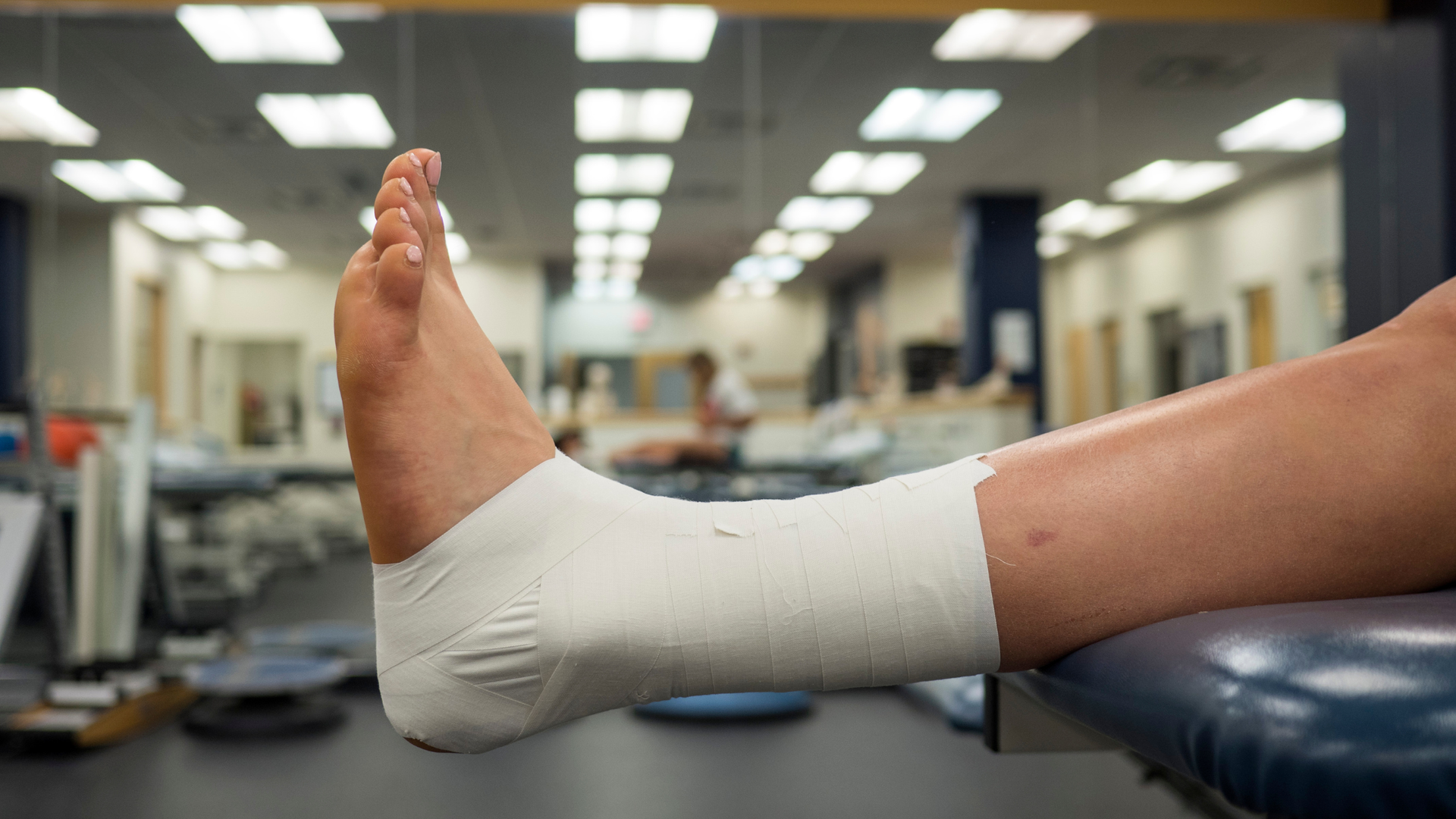
Don’t ignore an ankle sprain. Learn symptoms, causes, and why early treatment is key to preventing long-term pain and instability with expert podiatry care.
By VIV Builder February 5, 2026
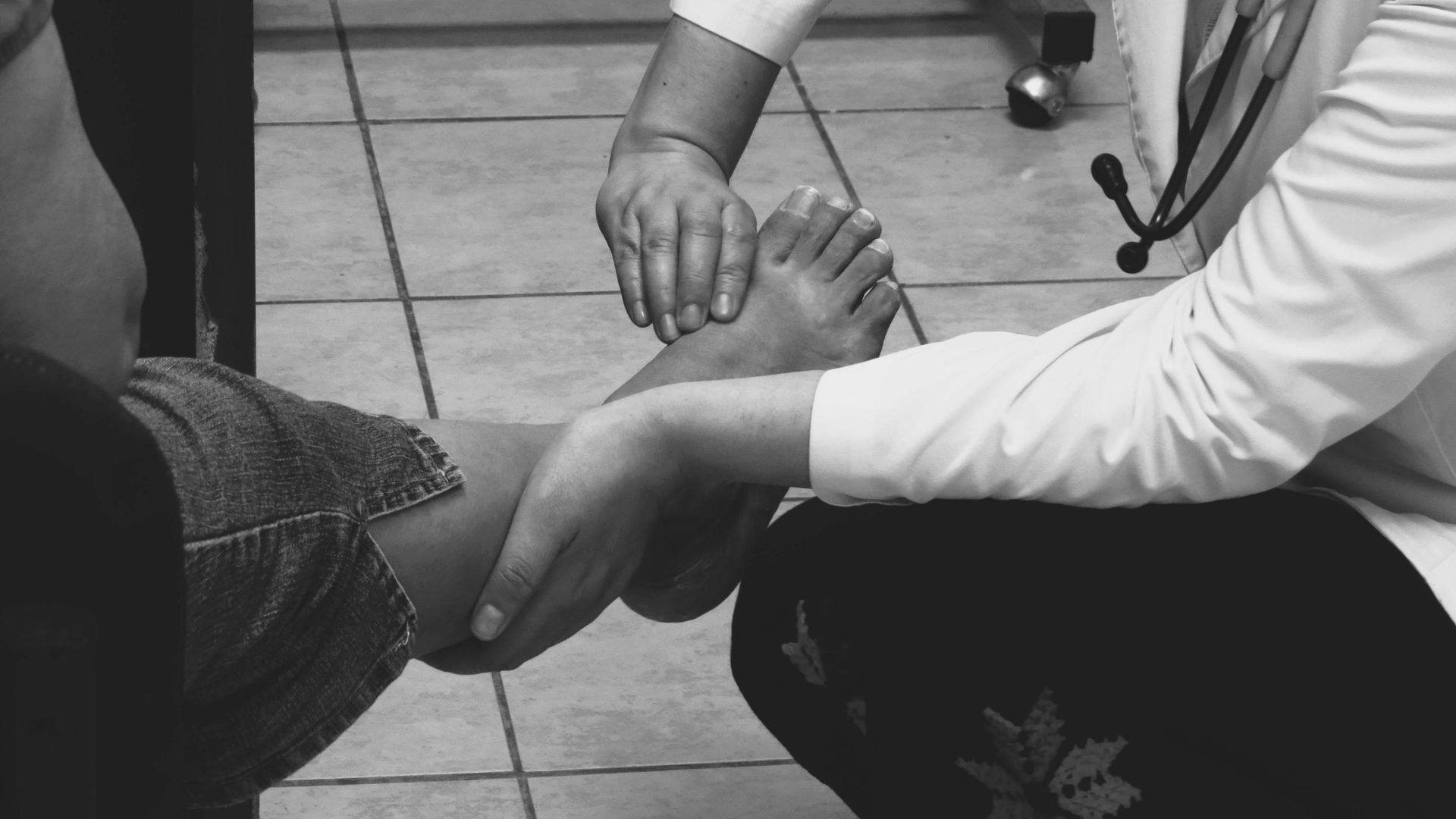
Show your feet some love this February. Learn about common foot problems like heel pain, ingrown toenails, and diabetic foot care, and how podiatry treatment can help.

By VIV Builder January 23, 2026
Learn what a podiatrist does and how they can help treat foot and ankle conditions. Discover when to seek care and how to stay active, pain-free, and healthy.

By VIV Builder January 9, 2026
Start the new year pain-free by addressing heel pain early. Learn common causes like plantar fasciitis and how podiatry care can help you stay active and comfortable.

By VIV Builder December 18, 2025
Start 2026 on the right foot with expert podiatry care. Learn how to prevent foot pain, improve mobility, and stay active with comprehensive exams and treatment options.
December 4, 2025
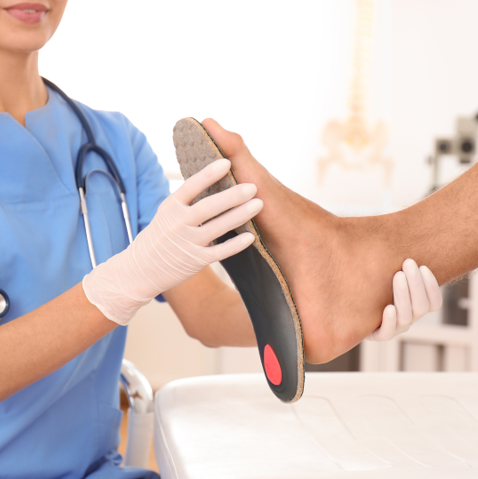
December is the season of giving, and there’s no better gift than comfort. If you’re looking for something meaningful, helpful, and long-lasting, custom orthotics are a great choice. They support the feet, improve balance, and make everyday activities easier and more comfortable.

November 7, 2025
November marks National Diabetes Awareness Month , a time dedicated to raising awareness, supporting those affected, and sharing ways to live healthier with diabetes. With diabetes impacting millions of Americans, proactive foot care remains one of the most important—and often overlooked—parts of diabetes management. Why Foot Health Matters Diabetes can affect the feet in several ways, and early prevention is key. High blood sugar levels may lead to: Nerve damage (neuropathy) that causes numbness, tingling, or loss of sensation Reduced blood flow , slowing the healing process Higher risk of infections, wounds, and ulcers , which can become serious if left untreated Healthy, routine foot care can help prevent complications and support mobility, comfort, and long-term wellness. How Our Podiatry Team Supports Diabetic Foot Health We provide comprehensive diabetic foot care to protect, prevent, and treat foot-related concerns, including: Routine Diabetic Foot Exams Early detection and intervention to address concerns before they become more serious. Custom Orthotics Personalized support to improve balance, relieve pressure points, and enhance walking comfort. Advanced Wound Care Specialized treatment plans for wounds, ulcers, or injuries to promote faster healing and reduce risks. Footwear Guidance Recommendations for proper shoes and inserts designed to prevent irritation, friction, and injury. We’re Here to Help You Stay Healthy Caring for your feet is an essential part of staying active, independent, and healthy with diabetes. Whether you have questions about preventive care, footwear, or treatment options, our podiatrists are here to guide and support you every step of the way. This month is a great time to schedule a diabetic foot check or talk with us about ways to keep your feet protected year-round. Together, we can work toward better foot health and a healthier life with diabetes.
October 3, 2025
If you’ve ever felt sudden pain in your big toe after running, jumping, or pushing off during sports, you may have experienced turf toe . This injury happens when the big toe joint bends too far upward, stretching or tearing the soft tissues that support it.
Show More