
Summer Foot Safety: 7 Tips to Protect Your Feet
Summer foot safety is the practice of protecting your feet from heat-related injuries, environmental hazards, and infections during the warmer months. It involves wearing supportive footwear, applying UV protection to the skin, staying hydrated to manage swelling, and maintaining strict hygiene in public areas to prevent fungal or viral transmissions.
Why is summer foot safety important for your health?
As the temperatures rise in Bethel, CT, many residents naturally transition into outdoor lifestyles. However, summer presents unique challenges that are often overlooked until pain or infection sets in. The skin on your feet is just as susceptible to the sun's rays as the rest of your body, yet it is frequently forgotten during the sunscreen application process. Furthermore, the combination of heat and humidity creates a breeding ground for bacteria and fungi, while the choice of popular but unsupportive footwear can lead to structural strain.
Beyond just physical comfort, summer foot safety is about preserving your mobility. For many, summer is the peak season for fitness, travel, and social engagement. A single foot injury, such as a severe burn from hot pavement or a puncture wound from walking barefoot, can sideline you for weeks. By prioritizing prevention, you are not just caring for your feet; you are ensuring that your mind, body, and spirit remain integrated and healthy throughout the active season.
Essential summer foot safety tips for outdoor enthusiasts
Protecting your feet requires a proactive approach that balances enjoyment with caution. Whether you are gardening, hiking, or attending local community events, these foundational safety tips will keep your feet in top condition:
- Never forget the sunscreen: Apply a broad-spectrum SPF to the tops of your feet and around the ankles to prevent Skin Cancer and painful burns.
- Stay hydrated: Dehydration leads to systemic swelling, which can make your shoes feel tight and cause friction-related Blisters .
- Avoid walking barefoot: Public pools, locker rooms, and even the beach can harbor sharp objects or pathogens like the virus that causes Warts .
- Check the pavement temperature: If it is too hot for the palm of your hand, it is too hot for the soles of your feet.
- Carry a basic first-aid kit: Including adhesive bandages and antiseptic can prevent a small scrape from turning into a major infection.
How can you prevent athlete’s foot and fungal infections?
Warm, moist environments are the preferred habitat for various fungi, specifically those responsible for Athlete’s Foot . During the summer, your feet are more likely to sweat due to higher temperatures and increased activity levels. If that moisture is trapped inside a shoe, it creates an ideal incubator. Preventing these infections requires a two-pronged strategy: moisture management and physical barriers.
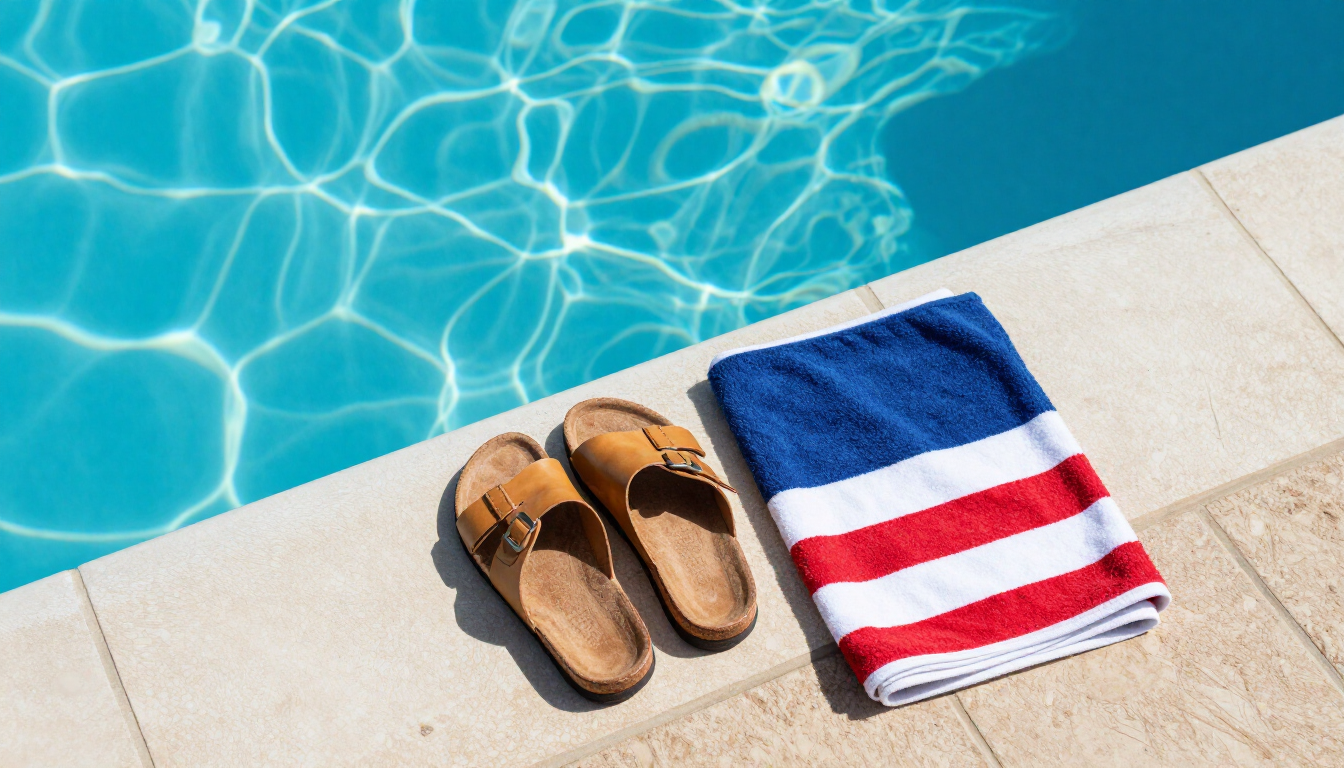
To manage moisture, opt for moisture-wicking socks made of synthetic blends or wool rather than cotton, which holds onto dampness. It is also beneficial to rotate your footwear, giving each pair at least 24 hours to dry out completely before wearing them again. In terms of physical barriers, wearing water shoes or shower sandals in communal areas like the Bethel public pool or local gym showers is non-negotiable. These surfaces are often contaminated with fungal spores and viruses that can easily penetrate even microscopic breaks in the skin.
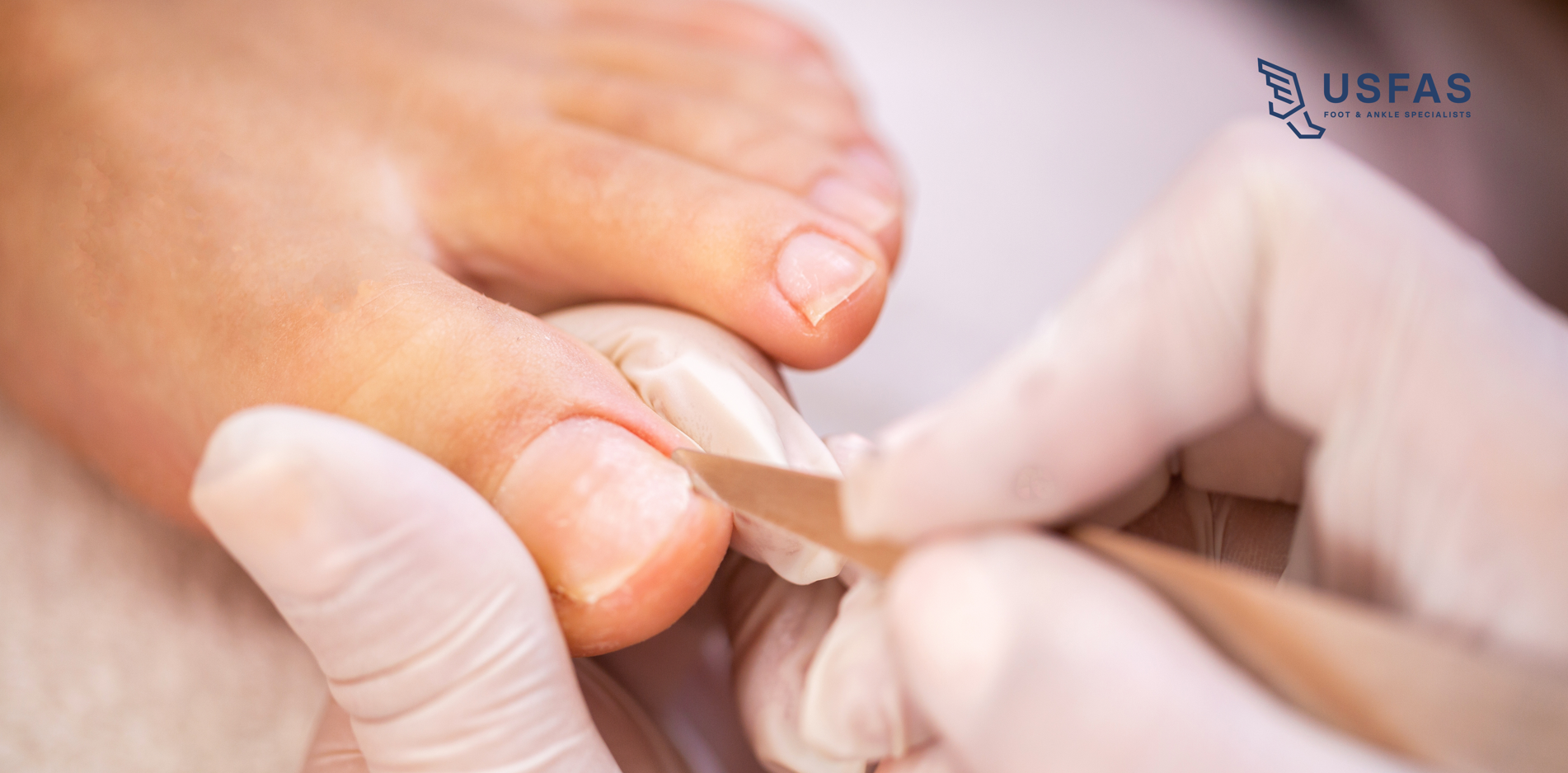
If you do notice redness, itching, or peeling between the toes, it is vital to address it early. While over-the-counter remedies exist, persistent cases often require professional intervention to ensure the infection does not spread to the toenails or other family members. Maintaining a clean, dry environment for your feet is the most effective way to ensure your summer remains itch-free and comfortable.
Choosing the right footwear for summer activities
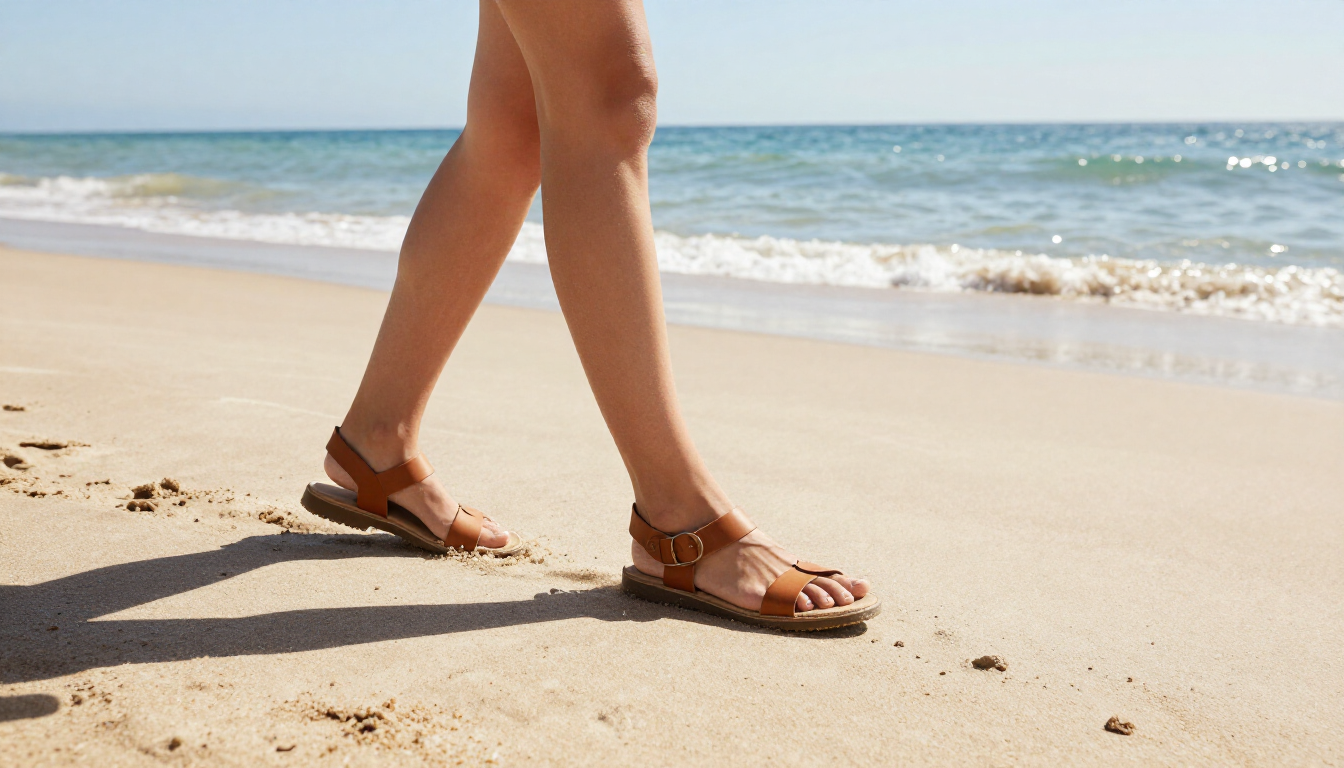
While flip-flops are synonymous with summer, they are often the greatest enemy of foot health. Most flip-flops provide zero arch support and offer no protection for the toes or heels. This lack of structure can lead to a variety of issues, including Heel Pain and inflammation of the connective tissues. For those who require consistent support, transition to sandals that offer a contoured footbed and a secure backstrap to keep the foot in place.
When shopping for summer shoes, consider the following features:
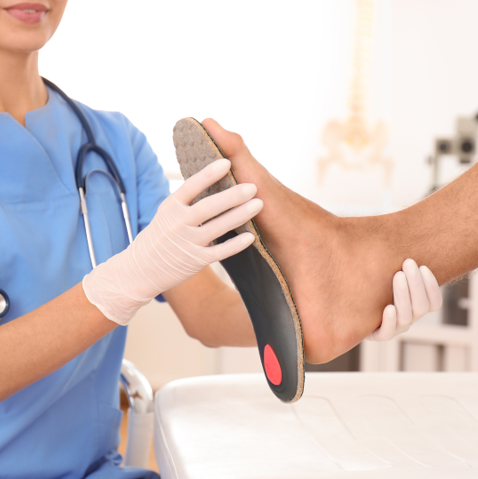
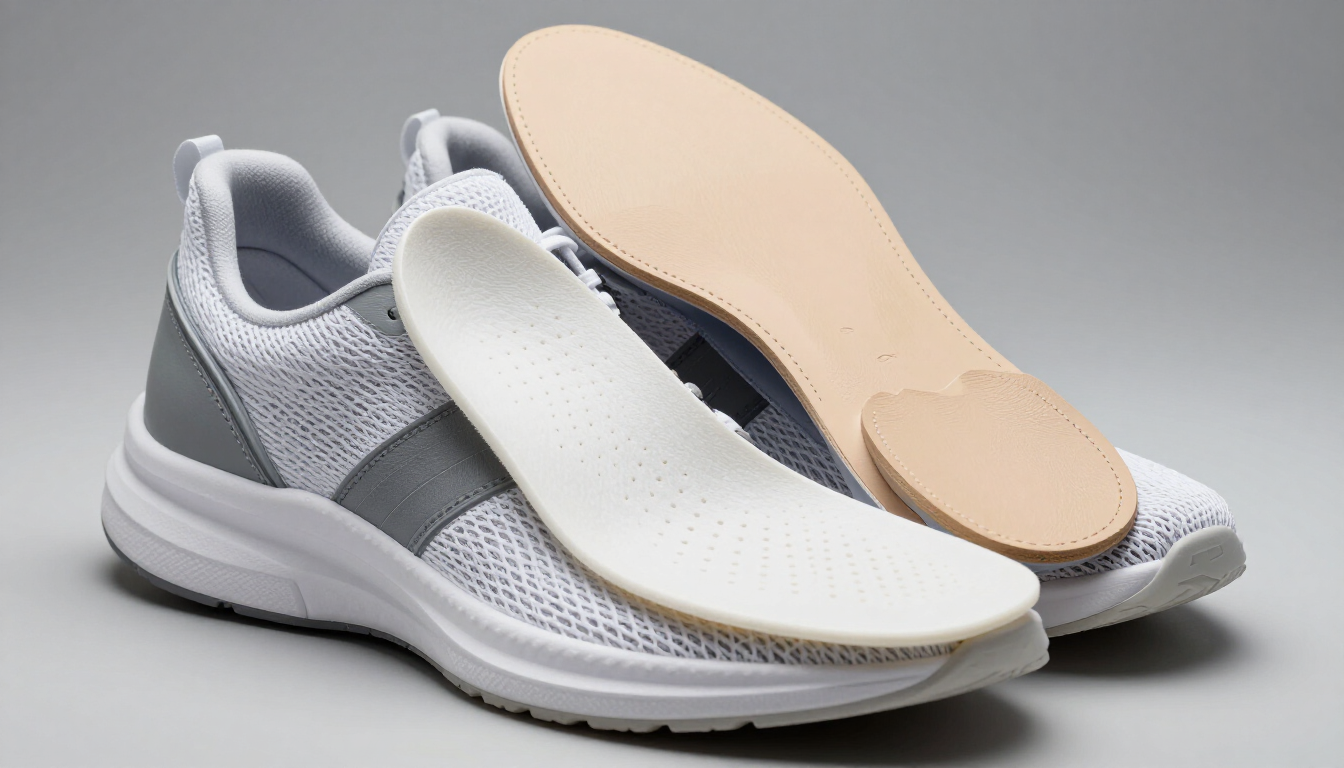
- Arch Support: Look for built-in contours or shoes that can accommodate custom Orthotics .
- Adjustability: Straps that allow you to tighten or loosen the shoe can help accommodate natural afternoon swelling.
- Breathability: Mesh fabrics or high-quality leather allow for better airflow than plastic or rubber materials.
- Traction: Ensure the soles have enough grip to prevent slips on wet poolside surfaces.
- Cushioning: A thick, shock-absorbing sole will protect your joints during long walks or sightseeing tours.
What are the common signs of foot injuries in summer?
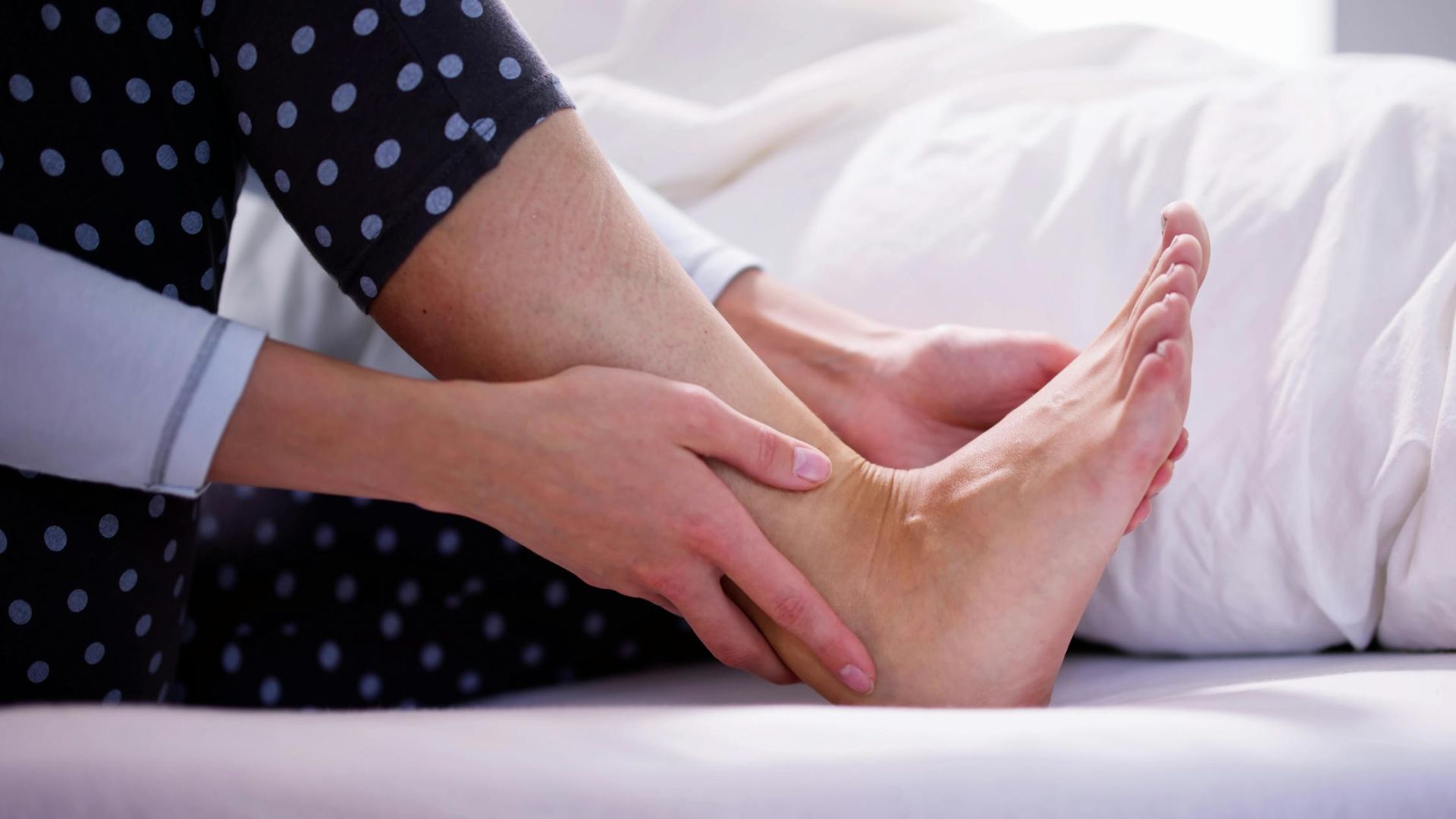
Because we are more active in the summer, we often push through minor discomfort. However, recognizing the early warning signs of an injury can prevent a chronic condition from developing. You should pay close attention to the following symptoms:
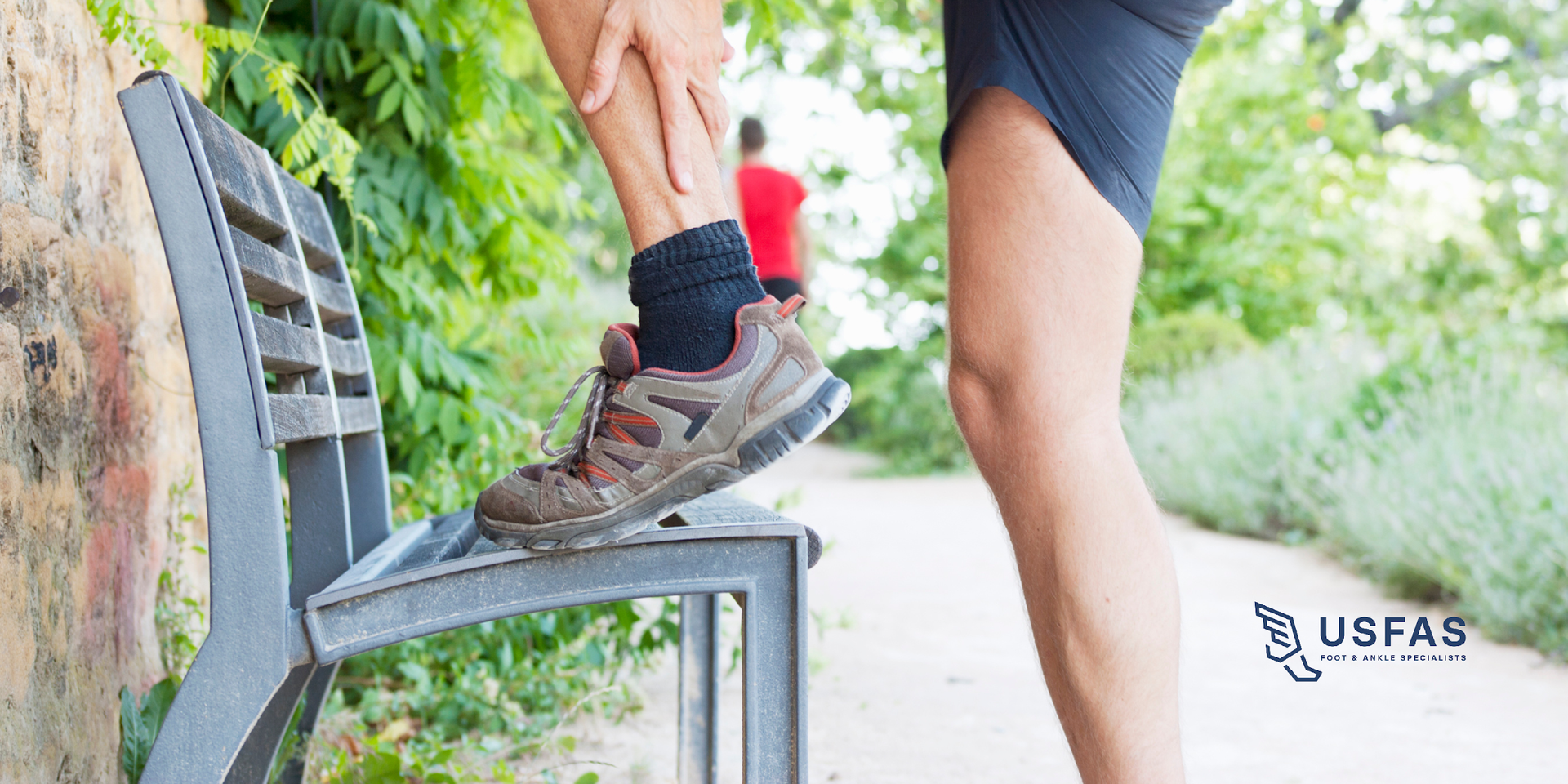
- Persistent localized pain: Pain that does not resolve after a night of rest may indicate a stress fracture or tendonitis.
- Changing moles or spots: New or changing pigments on the soles or between the toes should be screened for Skin Cancer .
- Heat and swelling: While some swelling is normal, excessive heat in a specific joint could be a sign of an inflammatory flare-up.
- Numbness or tingling: This may suggest that your summer footwear is too tight or that there is nerve compression.
- Slow-healing wounds: Any cut or blister that does not show significant improvement within a few days requires a professional evaluation.
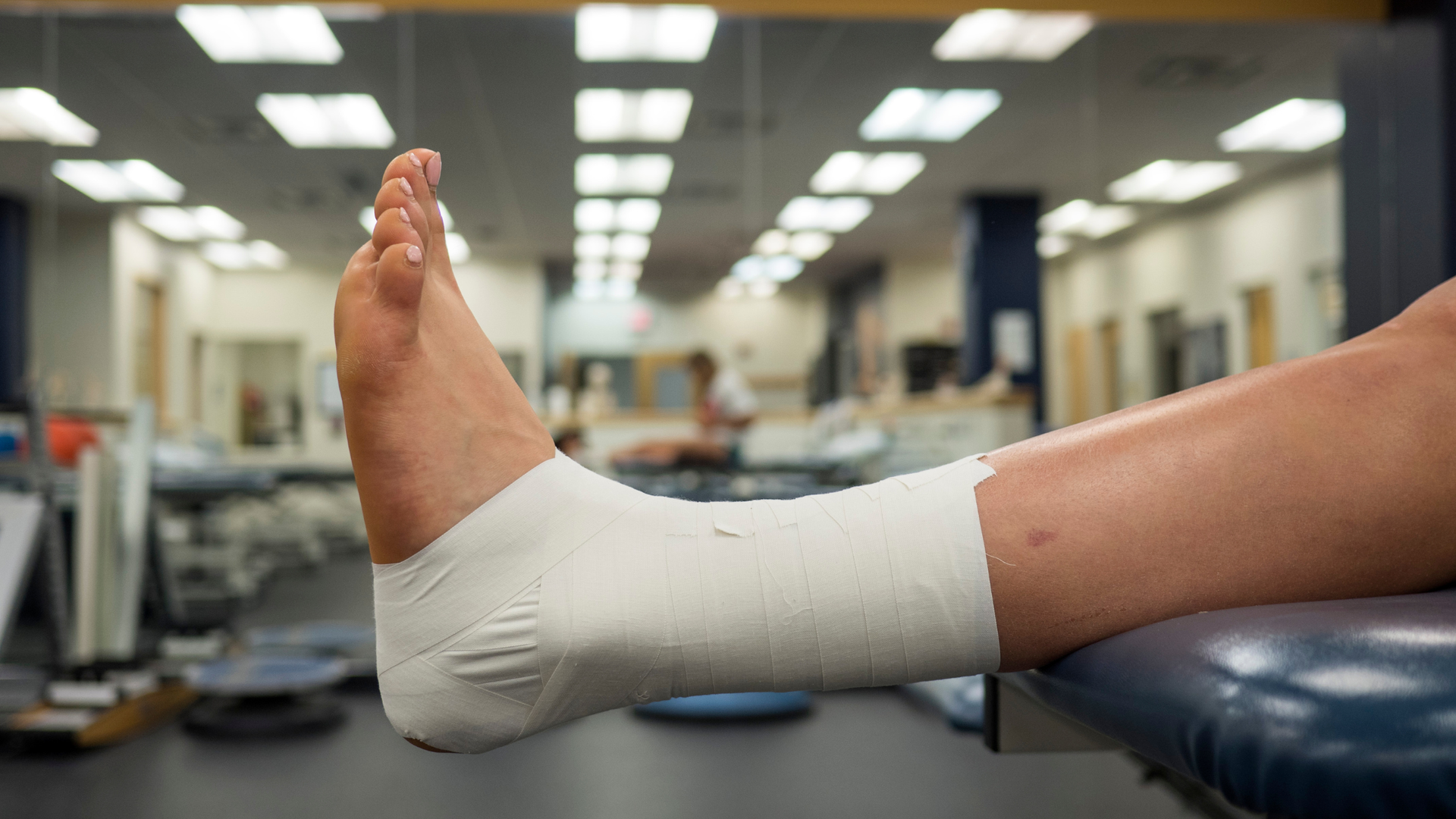
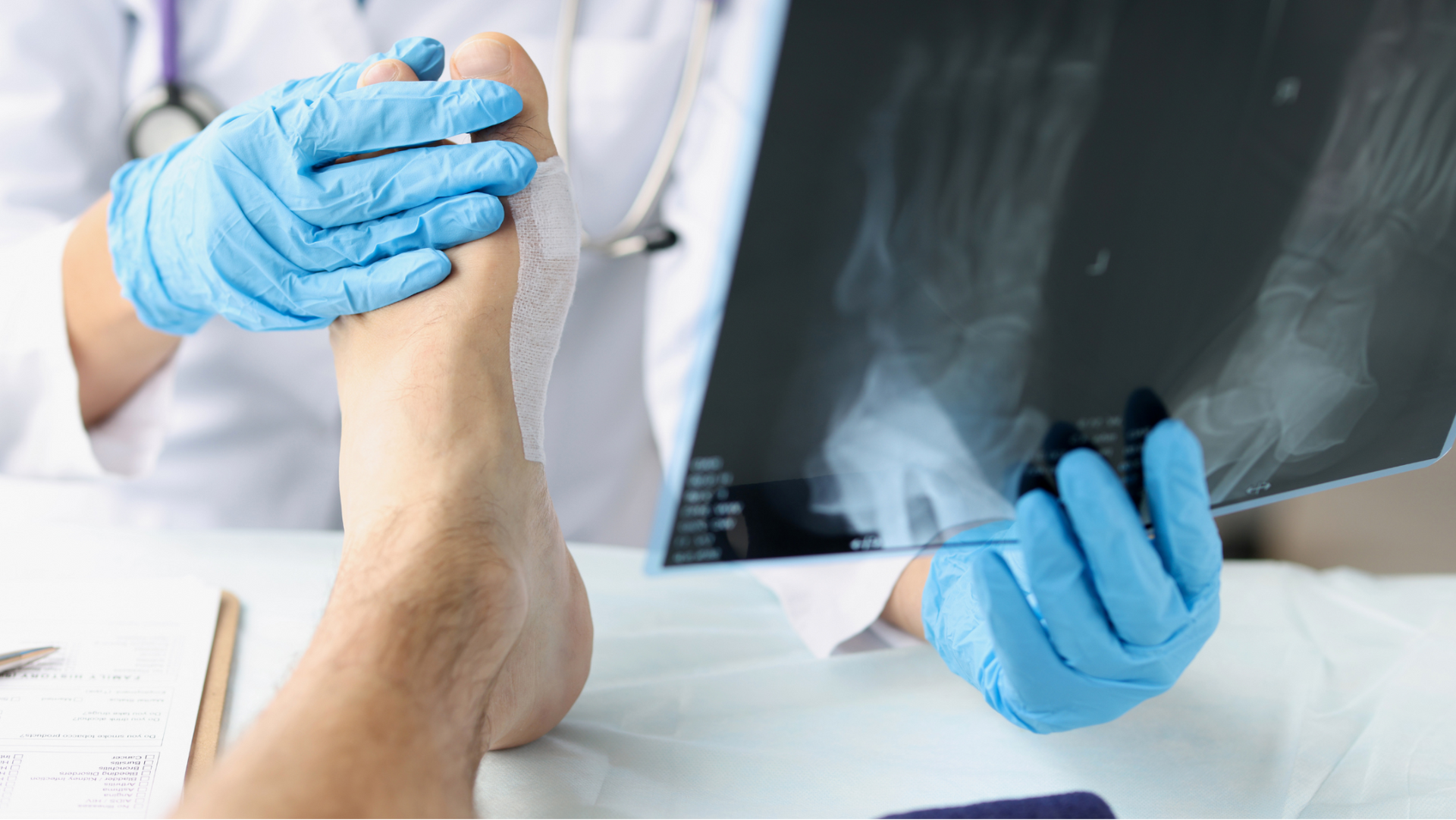
If you experience any of these symptoms, it is always better to seek advice early. Our goal is to use minimally invasive procedures and preventative education to get you back on your feet as quickly as possible. We embrace the body's natural ability to heal but recognize when professional support is needed to facilitate that process.
Special considerations for diabetic foot safety in the heat
For patients managing diabetes, summer foot safety is not just a matter of comfort—it is a critical part of their healthcare routine. Heat and humidity can increase the risk of skin breakdown, while neuropathy may prevent a patient from feeling a burn or a blister. High temperatures can also affect blood sugar levels, which in turn impacts the body's ability to heal even minor wounds.
Diabetic Foot Care during the summer involves daily inspections. Patients should use a mirror to check the bottoms of their feet for any signs of redness, blisters, or foreign objects that may have been stepped on. Because a simple blister can quickly escalate into a serious ulcer in a diabetic patient, prompt treatment is essential. Avoiding barefoot walking is especially crucial for this group, as even indoor surfaces or hot sand can cause significant damage without the patient realizing it. If you have diabetes and notice any change in your foot health, please Contact our office immediately for a comprehensive evaluation.
Maintaining optimal foot health for an active lifestyle
Summer is a season of vitality and movement, and your feet are the foundation of every adventure. By implementing these summer foot safety strategies, you are taking a proactive step toward a pain-free life. From choosing the right footwear to being vigilant about hygiene in public spaces, small changes can lead to significant positive outcomes. Remember that your feet are an integral part of your overall well-being, reflecting the health of your mind and spirit.
Key Takeaways for Summer Foot Safety:
- Wear supportive sandals: Avoid flat flip-flops to prevent Heel Pain and structural strain.
- Practice sun safety: Apply sunscreen to your feet daily to protect against UV damage and Skin Cancer .
- Monitor for infections: Use barriers in public areas to avoid Athlete’s Foot and Warts .
- Inspect your feet daily: Especially important for those requiring Diabetic Foot Care to catch issues early.
- Stay hydrated: Help manage swelling and maintain the skin's elasticity and resilience.
If you encounter any foot or ankle issues this season, our team is here to provide comprehensive Services tailored to your individual needs. We are dedicated to helping our community in Bethel, CT, stay active and healthy, one patient at a time.