
How to Treat Achilles Tendon Injuries
Achilles tendon injuries affect the strong band connecting your calf muscles to your heel and may cause pain, stiffness, swelling, or a sudden snapping sensation. A podiatrist can determine whether you have tendinitis, a strain, or a tear, then create a personalized plan to reduce pain and restore safe movement.
What causes Achilles tendon injuries?
The Achilles tendon absorbs substantial force whenever you walk, run, jump, or climb stairs. Injury can develop gradually from repeated stress or happen suddenly during sports and other physical activity.
Common risk factors include:
- A sudden increase in training intensity or mileage
- Tight calf muscles or limited ankle flexibility
- Poor biomechanics, flat feet, or an unsupportive shoe
- Repetitive impact from running, jumping, or court sports
- Previous tendon problems or certain medical conditions
Achilles tendon pain may also be related to changes in training surfaces, inadequate recovery, or age-related loss of tendon flexibility. Identifying the contributing factor is important because simply resting may not address the underlying problem.
What are the symptoms of an Achilles tendon injury?
Symptoms vary according to the location and severity of the injury. Tendinitis or tendinopathy often develops over time, while a rupture may occur suddenly.
You may notice:
- Pain, tenderness, or stiffness above the heel
- Swelling or thickening along the tendon
- Pain that worsens with activity and improves with rest
- Difficulty standing on your toes or pushing off while walking
- A sudden pop, snap, or sensation of being kicked in the calf
A sudden pop, severe pain, rapid swelling, or inability to walk normally may indicate a significant tear. Seek prompt evaluation rather than attempting to “walk it off.”
How does a podiatrist diagnose Achilles tendon injuries?
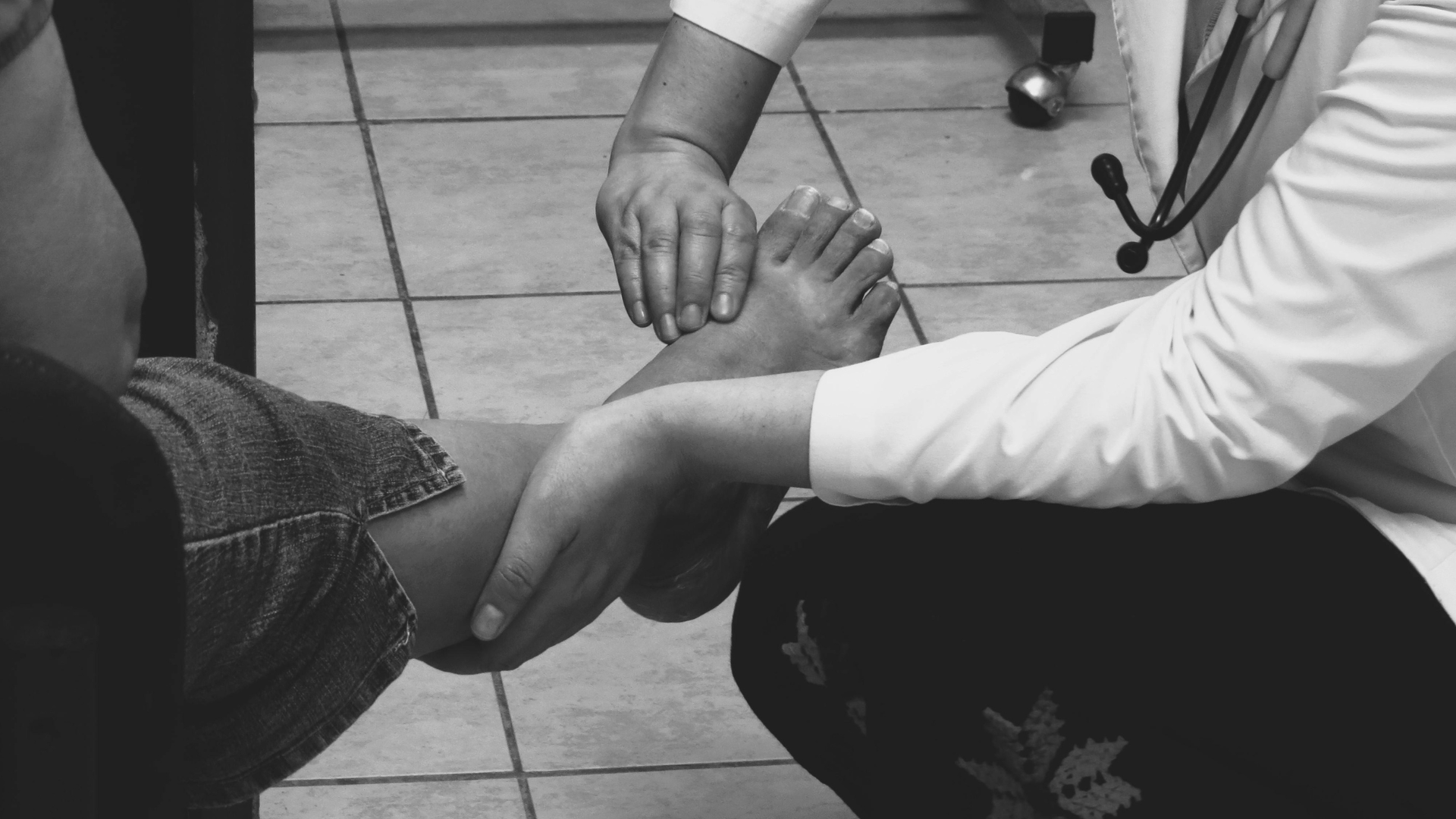
Diagnosis begins with a medical history and physical examination. Your podiatrist will ask when symptoms began, what activities affect them, and whether you felt a pop or experienced a direct injury.
The examination may assess:
- Tenderness, swelling, and thickening along the tendon
- Calf strength and your ability to rise onto your toes
- Ankle flexibility and range of motion
- Walking pattern, foot alignment, and biomechanics
- Signs of a partial or complete rupture
Imaging is not always necessary, but ultrasound or magnetic resonance imaging may help evaluate a suspected tear or clarify the condition when symptoms persist. Your evaluation may also identify related concerns that benefit from sports injury care .
Treatment options
Treatment depends on whether the tendon is irritated, strained, partially torn, or completely ruptured. Your plan may include several approaches rather than one single treatment.
Activity modification and early care
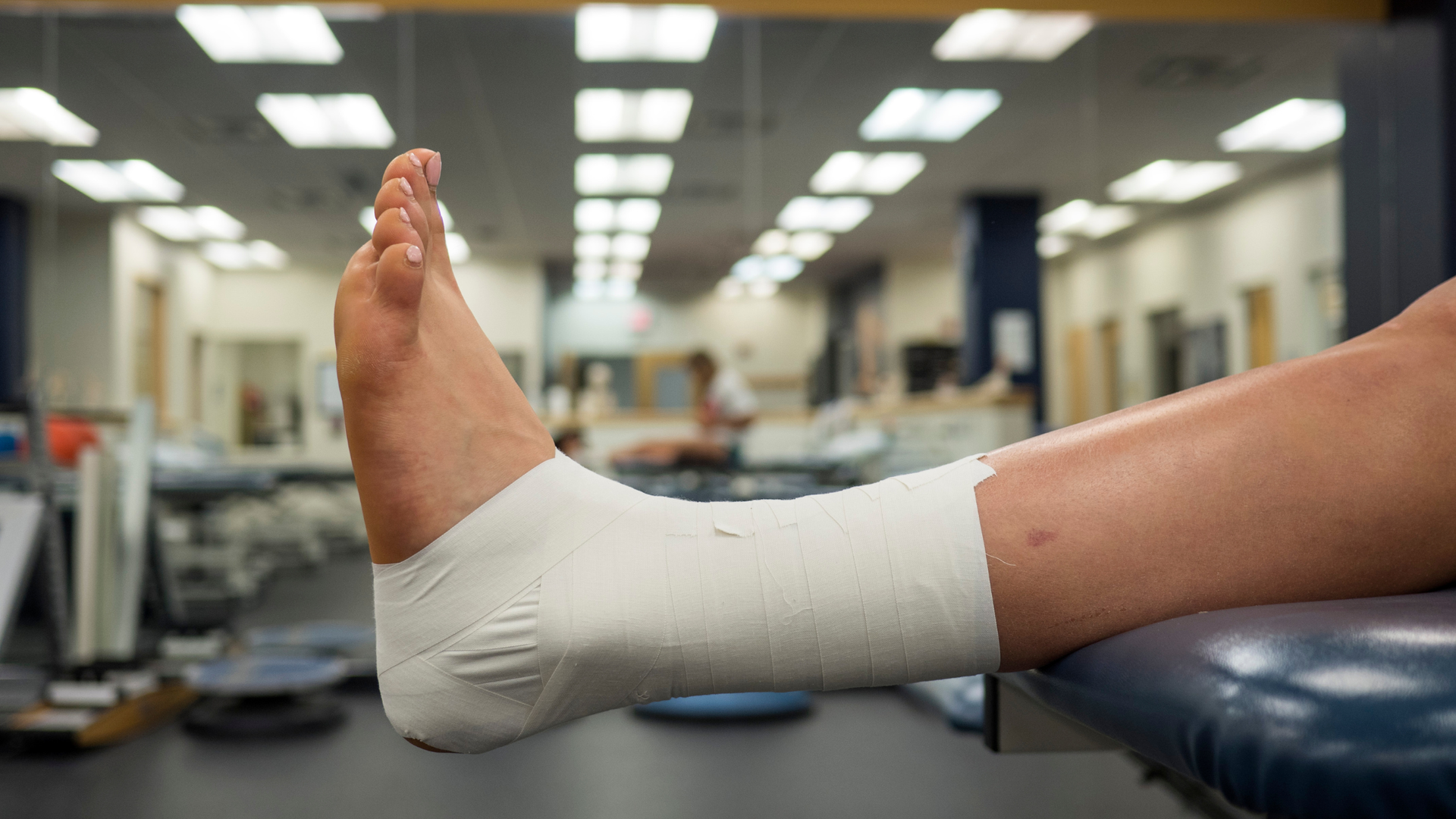
Reducing painful activities can protect the tendon while it begins to heal. Depending on the injury, your podiatrist may recommend temporary rest from running and jumping, ice, compression, elevation, or a walking boot. Do not apply a treatment plan designed for someone else without an examination.
Physical therapy and rehabilitation
A guided rehabilitation program can improve calf strength, flexibility, balance, and tendon capacity. Exercises commonly progress from gentle range-of-motion work to controlled strengthening and sport-specific activity. Returning too quickly can increase the risk of recurring pain or reinjury.
Orthotics and footwear changes
Foot mechanics can place additional stress on the Achilles tendon. Supportive shoes or custom orthotics may help improve alignment and reduce strain when they are appropriate for your foot structure and activity level.
Advanced and surgical care
Some patients may benefit from treatments such as extracorporeal pulse activation technology, commonly called EPAT , or other carefully selected interventions. A complete rupture or severe injury may require referral for foot and ankle surgery . Your podiatrist can explain the benefits, limitations, and expected recovery for each option.
When should you see a podiatrist?
Schedule an evaluation if Achilles pain lasts more than a few days, repeatedly returns, or limits walking, exercise, or work. Prompt care is especially important after a sudden injury.
Seek urgent medical attention for:
- A loud pop or snap in the back of the ankle
- Immediate swelling or bruising
- Inability to push off, stand on your toes, or walk normally
- A visible gap or major change in the tendon’s shape
- Severe pain after a fall, jump, or sprint
Early assessment can help distinguish inflammation from a tear and reduce the chance of prolonged recovery.
How can you prevent future Achilles problems?
Prevention focuses on gradually building strength and managing training load. Helpful habits include warming up before intense activity, increasing mileage or resistance slowly, wearing activity-appropriate shoes, and allowing recovery between demanding sessions.
It is also useful to address calf tightness, weakness, or foot mechanics before they become recurring problems. If you have ongoing ankle or lower-limb symptoms, a podiatrist can create a prevention strategy tailored to your activities.
Frequently asked questions
Can Achilles tendon injuries heal without surgery?
Many cases of tendinitis, tendinopathy, and minor strains improve with appropriate activity modification, rehabilitation, and support. Complete ruptures and some severe tears may require surgical consultation. The right decision depends on the injury, your health, activity goals, and examination findings.
How long does Achilles tendon recovery take?
Recovery may take several weeks for a mild irritation and several months for a significant tear or rupture. Healing time depends on severity, treatment, general health, and how consistently rehabilitation recommendations are followed. A gradual return to activity is safer than using pain alone as a guide.
Can I keep exercising with Achilles tendon pain?
Avoid activities that increase pain, swelling, or limping. Your podiatrist may recommend lower-impact alternatives while the tendon recovers, but continuing high-impact exercise without evaluation can worsen the injury.
Your next step
Achilles tendon injuries can range from manageable irritation to a serious rupture, so the treatment that works for one person may not be appropriate for another. A podiatrist can identify the cause, assess the tendon’s condition, and coordinate a recovery plan that fits your goals. If pain, stiffness, swelling, or weakness is affecting your activity, schedule an evaluation rather than waiting for symptoms to worsen. For personalized foot and ankle care in Bethel, CT, contact our office to request an appointment.